What It Actually Takes to Be a Responsible Reverse Mortgage Loan Officer
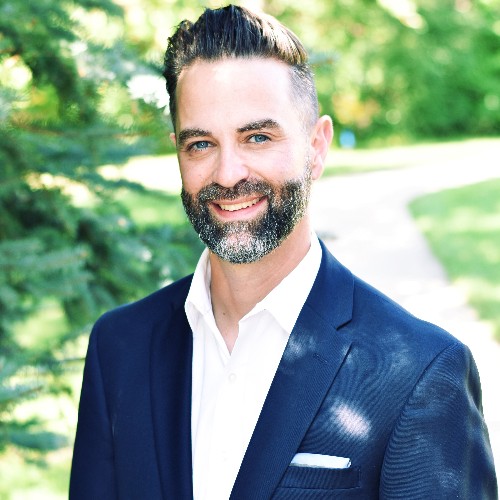
I get asked a fair question more often than you might think:
“Why do you go so deep on this stuff?”
Reverse mortgages are not simple products. They sit at the intersection of housing, taxes, healthcare, family dynamics, estate planning, and human emotion. If I’m going to help someone make a decision that could affect the rest of their life, their spouse, or their kids, “good enough” preparation doesn’t cut it.
So here’s what my preparation actually looks like.
I research how policies work in the real world, not just how they’re summarized in sales decks. I read HUD guidance, IRS rules, state regulations, and financial journals. I call underwriters and pressure-test scenarios. I ask a lot of questions; some questions are simple, some are thought-provoking, some might be a little uncomfortable (in the relentless search of value for the client I am serving). I map out what happens not just when things go well, but when life gets messy: market downturns, long-term care, death of a spouse, family conflict, or a sudden need to move.
Then I translate all of that into plain language.
Because my job isn’t to sound smart. It’s to help someone feel clear.
Most people I work with have done “the right things” for decades. They paid off homes. They saved. They planned. When retirement doesn’t unfold exactly as expected, the stress often isn’t financial first. It’s emotional. Fear of making a mistake. Fear of being judged. Fear of becoming a burden. Fear of locking into a decision they can’t undo.
That’s where preparation matters.
When I walk into a conversation, I want to understand not just the loan mechanics, but the client’s priorities, their stress points, their family dynamics, and what flexibility actually means to them. Sometimes the best outcome is using a reverse mortgage. Sometimes it’s confirming they don’t need one at all. Both require the same level of rigor.
For my community, this approach means fewer 'sales' conversations and more planning conversations. It means homeowners leave meetings with more clarity than confusion. It means adult children are brought into discussions early, not after a crisis. It means financial advisors and attorneys can trust that the advice being given won’t blow up another part of the plan.
For my clients, it means this: no surprises.
We talk about costs. We talk about trade-offs. We talk about when a reverse mortgage loan makes sense and when it absolutely doesn’t. We talk about how decisions today affect options five, ten, or fifteen years from now. And we do it calmly, without pressure, because urgency is rarely helpful in retirement planning.
I don’t believe expertise is about having answers ready. I believe it’s about having done the work before the question is ever asked.
That’s the standard I hold myself to as a reverse mortgage loan consultant. Not because it looks good on paper, but because the stakes are real. These are people I care about, in houses they've built into home. It's families like mine. It's futures that matter.
And those deserve preparation, not pitches.
If you’re 62+ and wondering how your home equity fits into your bigger retirement picture, let’s slow the conversation down and get clear on what actually matters to you.


Comments